PET vs PP Plastic Cups: Which One Should You Choose?
When sourcing plastic cups for your business, one of the most common dilemmas is choosing between PET and PP materials. Both are popular food-grade plastics, but they perform differently in clarity, temperature resistance, durability, and cost. Making the wrong choice can lead to deformed cups, poor customer experience, or unnecessary expenses.
This guide breaks down the real differences between PET and PP plastic cups to help you decide which material best fits your operation.
What Are PET and PP Plastic Cups?
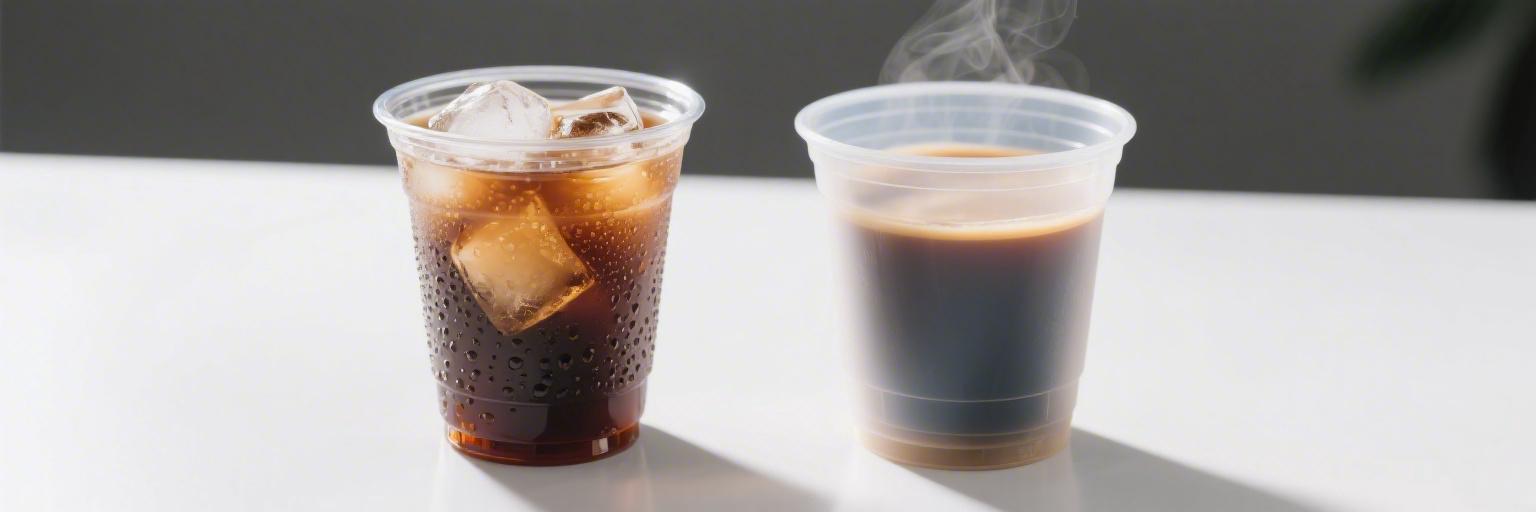
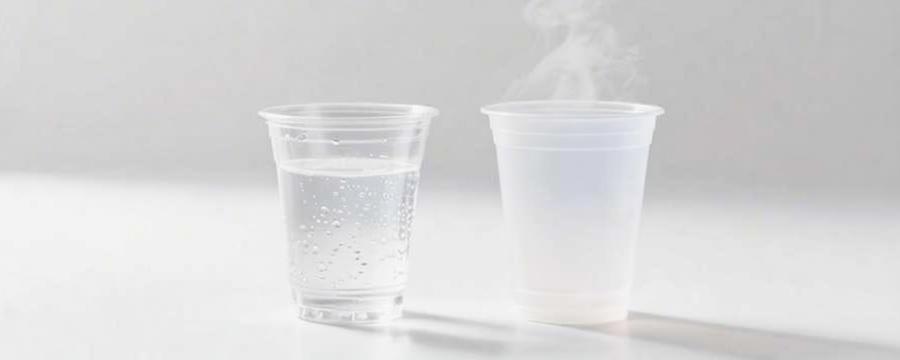
PET (Polyethylene Terephthalate) is a strong, lightweight plastic known for its glass-like transparency. It is widely used for cold beverage packaging because it showcases the drink’s color and texture beautifully.
PP (Polypropylene) is a more flexible and heat-resistant plastic. It has a slightly cloudy or translucent appearance and is commonly chosen when versatility across temperature ranges is needed.
While both materials are safe for food contact, their performance varies significantly depending on your menu and service style.
Key Differences Between PET and PP Plastic Cups
Here’s a practical comparison based on real-world foodservice needs:
- Clarity PET offers superior crystal-clear transparency, making drinks look more appetizing and premium. PP is less clear, often appearing slightly frosted or translucent.
- Temperature Resistance PP performs much better with heat. It can safely handle hot beverages (up to around 100°C) and is often microwave-safe. PET is excellent for cold drinks but can deform or release concerns when exposed to high temperatures.
- Durability & Flexibility PP is more flexible and resistant to cracking under pressure or during stacking and transport. PET is more rigid, providing good structural support for cold drinks but can be more brittle in certain conditions.
- Recyclability PET (recycling code #1) is widely accepted in most recycling programs worldwide. PP (recycling code #5) is recyclable in many areas but has less consistent infrastructure.
- Cost PP is generally more budget-friendly, especially for high-volume operations. PET tends to cost more due to its premium clarity and processing requirements.
When to Choose PET Plastic Cups
Choose PET cups when visual appeal is a priority. They are ideal for:
- Iced coffee, smoothies, bubble tea, and cold fountain drinks
- Situations where customers want to see the drink clearly (e.g., layered beverages or colorful specialties)
- Operations focused on a premium, high-end presentation
If you mainly serve cold beverages and want your drinks to “pop” visually, PET is usually the better choice. For high-quality PET plastic cup options, you can explore reliable suppliers like PET Plastic Cup.
When to Choose PP Plastic Cups
Choose PP cups when versatility and durability matter more than perfect clarity. They work well for:
- Hot coffee, tea, soups, or any hot-fill applications
- Mixed menus that serve both hot and cold drinks
- High-volume environments where cups experience frequent handling or stacking
PP’s heat resistance and flexibility make it a practical all-rounder for many restaurants, cafés, and delivery services.
Quick Decision Guide
| Situation / Requirement | Best Choice | Reasons | Recommended Use Cases |
| Cold drinks only + premium visual appeal | PET | Crystal clear transparency, drinks look more appetizing | Iced coffee, bubble tea, smoothies, fountain drinks |
| Hot beverages or mixed hot & cold menu | PP | Excellent heat resistance (up to 100°C), microwave-safe | Hot coffee, tea, soups, versatile daily use |
| High durability & frequent handling | PP | More flexible, resistant to cracking during stacking and transport | Takeaway, delivery, high-volume operations |
| Maximum clarity and presentation | PET | Glass-like appearance, ideal for showcasing layered or colorful drinks | Specialty drinks, premium cafés |
| Budget-conscious high-volume orders | PP | Generally lower cost per unit | Quick-service restaurants, events |
| Best recyclability | PET | Widely accepted (#1 recycling code) in most programs | Eco-conscious brands |
| Need both hot and cold in one cup type | PP | Versatile temperature performance | Mixed-menu restaurants, offices |
For a wide selection of both PET and PP plastic cups suitable for different business needs, check out comprehensive collections at custom plastic cups.
Final Thoughts
There is no universal “best” material — only the best material for your specific use case. PET excels in clarity and cold applications, while PP wins in heat resistance and flexibility. Evaluate your menu, target customer experience, and operational requirements before deciding.
Many successful operators even use both materials strategically: PET for signature cold drinks and PP for hot beverages or takeaway items.
By matching the right plastic to the right application, you can improve customer satisfaction, reduce waste from failures, and optimize your packaging costs.